
What Acidic Foods Are Really Doing to Your Tooth Enamel
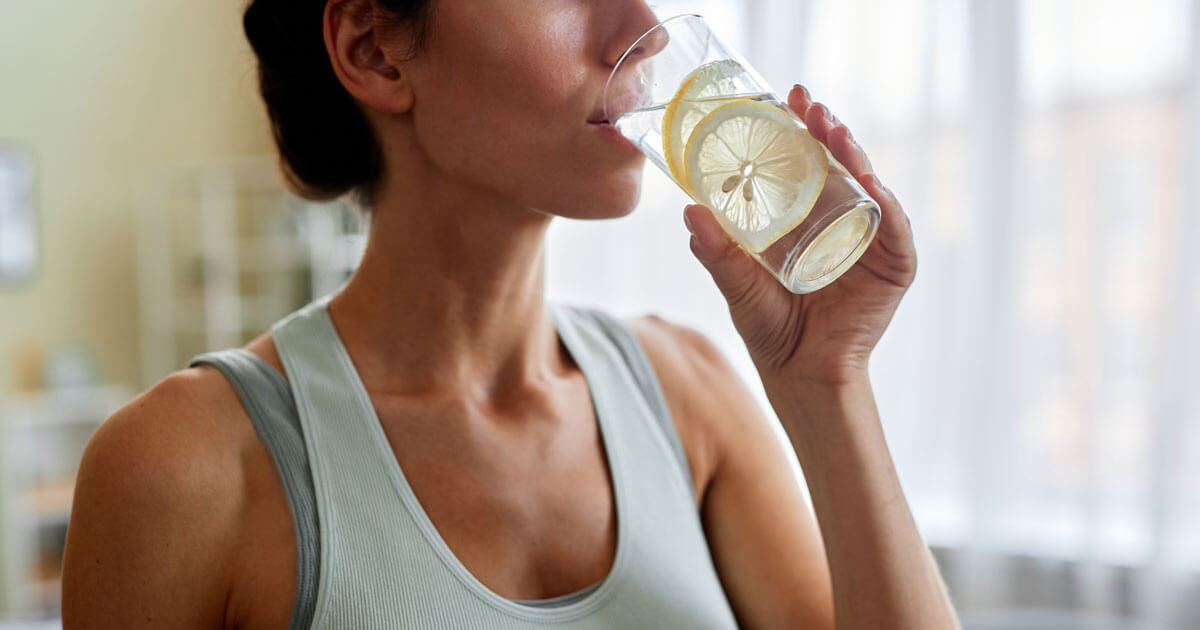
Lemon water first thing in the morning. Sparkling water throughout the day. A kombucha with lunch. These feel like healthy habits, and some of them genuinely are. But there’s a side effect most people don’t hear much about: what all that acidity is quietly doing to your tooth enamel.
It’s one of those things that happens slowly enough that you don’t notice it, but eventually becomes impossible to ignore.
Why Enamel It Matters
Enamel is the hard outer layer that covers and protects each tooth. It’s the hardest substance in the human body (even harder than bone!) but it has one significant limitation: once it’s gone, it doesn’t grow back.
Your body cannot regenerate enamel. That makes protecting what you have genuinely important.
How Acid Breaks Enamel Down
Enamel erosion happens when acidic substances lower the pH in your mouth to the point where minerals in the enamel begin to dissolve. This process is called demineralisation.
Your saliva works to neutralise acid and help remineralise the enamel afterward, but it needs time to do so. When your mouth is repeatedly exposed to acid without adequate recovery time, erosion can outpace repair.
So enamel health is less about any single food or drink, and more about frequency and contact time.
The Biggest Offenders
Citrus fruits and juices, vinegar-based dressings, carbonated beverages (including sparkling water, which is mildly acidic), wine, and fermented drinks like kombucha are among the most common contributors to enamel erosion.
Some foods marketed as healthy, like citrus-infused water, apple cider vinegar drinks, and fruit-forward smoothies, can be quite acidic. That doesn’t mean you should them entirely, but it does mean being mindful of how often and how you consume them.
Habits That Help Protect Your Enamel
A few simple practices make a meaningful difference:
- Drinking acidic beverages through a straw reduces direct contact with your teeth.
- Rinsing with plain water after something acidic helps clear the acid before it has time to work.
- Waiting at least 30 minutes before brushing after an acidic meal gives your enamel time to reharden. (Brushing while it’s softened actually accelerates wear.)
- Staying well hydrated supports saliva production, which is your mouth’s natural defense system.
If You’ve Noticed Sensitivity or Changes
Tooth sensitivity to temperature, a feeling that your teeth look more translucent at the edges, or a slightly yellowed appearance can all be early signs of erosion worth paying attention to.
At Sunnybank Plaza Dental, we’re glad to take a look, talk through your habits, and help you find an approach that protects your smile for the long run. Your next visit is a great time to bring it up.